
Your Customers Have Already Told You How They Want to Communicate
Look at your own phone. When was the last time you called a business instead of texting or messaging them if you had the option? Customer behavior has shifted decisively toward text, and the numbers back it up: SMS messages see open rates around 98%, with most read within three minutes of being sent. Compare that to email, where a strong open rate is considered to be in the 20–30% range, and it’s clear why a growing number of local businesses are shifting routine communication to text.
It’s not just about being seen — it’s about response. SMS response rates run around 45%, compared to roughly 10% for email, and text messages convert at meaningfully higher rates than cold calls. When a customer needs a quick answer — “Are you still coming today?” “What time is my appointment?” “Can you send that quote again?” — texting is simply the fastest path to an answer for both sides.
Where Business Text Messaging Actually Pays Off for a Local Business
Appointment Reminders and Confirmations
No-shows are one of the most expensive, avoidable problems in service businesses — a technician’s blocked-off hour, an empty chair, a wasted trip. Automated text reminders sent 24–48 hours before an appointment, with an easy way to confirm or reschedule by replying, meaningfully cut no-show rates without anyone on your team having to make a single reminder call.
Quotes and Estimates
Instead of emailing a PDF that sits in an inbox, sending a text with a link to the quote (and following up by text a day later) keeps the conversation moving in the channel the customer is most likely to actually check.
Job Updates and On-the-Way Notifications
“Your technician is 15 minutes away” is a small thing that has an outsized effect on how professional and trustworthy a business feels. Customers increasingly expect this kind of real-time update from companies of any size, not just national chains.
Two-Way Conversations, Not Just Blasts
The real value is in two-way texting — a customer can reply to a reminder or a quote text with a question, and that reply lands with your team just like a normal conversation, rather than going to a no-reply number that dead-ends the exchange.
What Businesses Get Wrong About SMS Marketing
The biggest mistake is treating texting like email — sending frequent promotional blasts to a list. That approach burns out a channel that works precisely because it’s fast, personal, and not overused. A large share of subscribers say they’ll opt out of a business’s texts if the volume feels excessive, so the businesses that get the most value from SMS use it primarily for transactional, useful messages (reminders, confirmations, updates, direct answers to a question) and far more sparingly for promotions — which keeps opt-out rates low and keeps every message actually getting read.
There are also compliance basics that matter: customers need to opt in to receive texts, every message needs a clear way to reply STOP to opt out, and the messaging needs to follow carrier and TCPA guidelines. This is exactly why business text messaging should run through a proper platform rather than a personal cell phone — it keeps a compliant record of consent and opt-outs automatically.
How Texting Fits With Everything Else
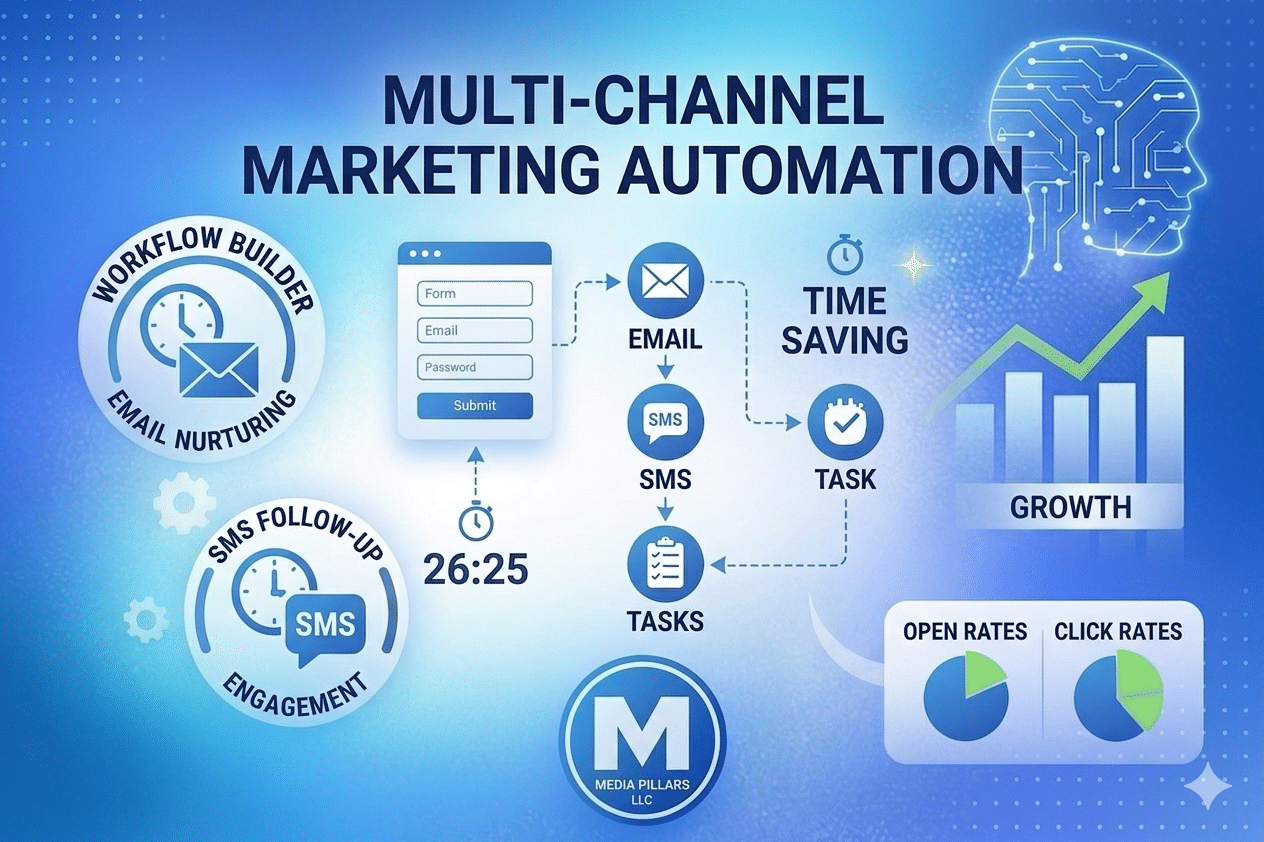
SMS doesn’t replace your other channels — it’s the connective layer between them. A missed call can trigger a text. A form submission can trigger a text. A completed job can trigger a review-request text. An unread email can be followed by a text nudge. Businesses that build texting into the middle of their existing follow-up and reminder process tend to see the biggest lift, because it’s rarely the only tool doing the work — it’s the one that gets the message actually seen.
How to Measure the Impact
Track appointment no-show rate before and after adding text reminders (and see our guide to local SEO priorities that drive leads) — this is usually the fastest, clearest number to move. For lead follow-up, compare response rates and time-to-response on texted leads versus emailed or voicemailed ones. Most businesses see the difference within the first month.
Frequently Asked Questions
Is business text messaging legal and compliant?
Yes, when it’s set up correctly — customers must opt in, every message needs an opt-out option, and the system needs to track consent. A dedicated business text messaging platform handles this automatically, which is safer and more reliable than texting from a personal or general office phone.
Won’t customers find texting from a business intrusive?
Generally not, as long as the messages are useful and not excessive — reminders, confirmations, and direct answers to questions are welcomed by most customers. The businesses that get complaints are almost always the ones sending frequent, unsolicited promotional texts rather than helpful, expected ones.
Can I keep my current business phone number for texting?
In most cases, yes — your existing business number can typically be enabled for texting so customers can call or text the exact same number, which keeps things simple for them.
The Bottom Line
Your customers have already shown a strong preference for text over calls and email — the businesses winning their attention are the ones meeting them there. Business text messaging for reminders, quotes, and quick questions is one of the simplest changes a local business can make, and it typically shows measurable results — fewer no-shows, faster responses, more booked jobs — within the first few weeks.
Ready to see it in action? Media Pillars sets up and manages two-way business text messaging — reminders, quotes, and automated follow-up — fully connected to your website and CRM. Get in touch to see how it would work for your business.