
The Leads You Think You Lost Probably Just Went Quiet
Every local business has a version of this: someone requests a quote, seems interested, and then… nothing. No call back, no booking, no explanation. It’s tempting to write them off as “not serious” or “just shopping around.” In reality, a large share of those leads didn’t reject you — they just got busy, forgot, or are still deciding, and no one followed up again to bring them back.
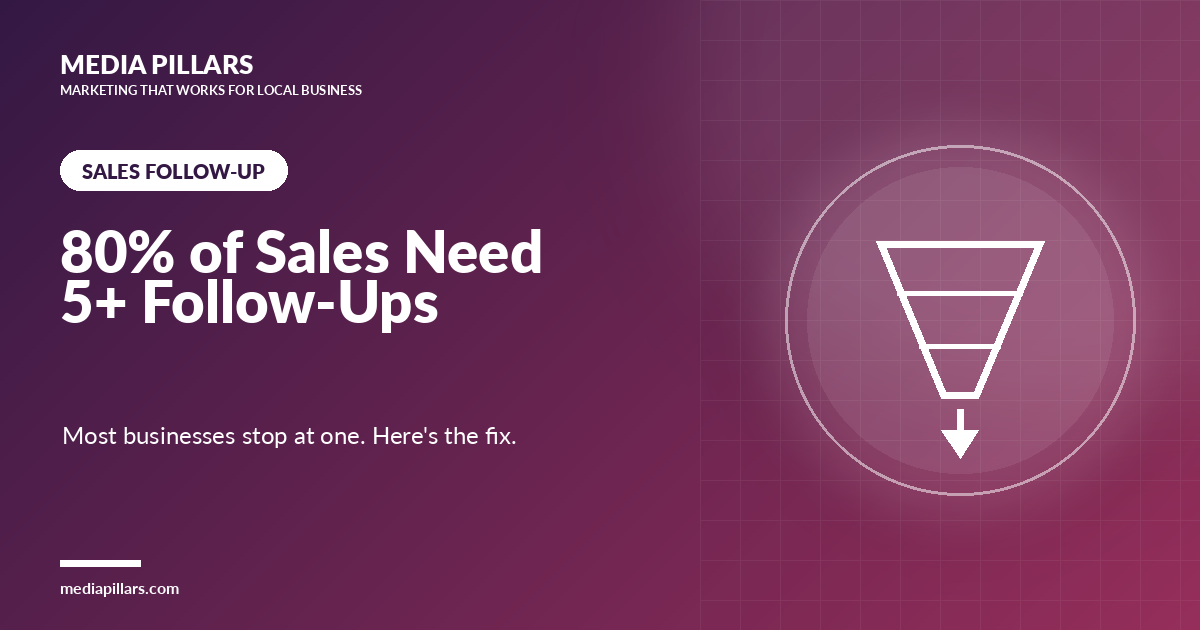
The data on this is stark. 80% of sales require five or more follow-up contacts after the initial inquiry, and half of all sales happen after the fifth contact. Yet the same research shows 44% of businesses give up after just one attempt, and only about 8% ever follow up more than five times. That gap — between what it actually takes to convert a lead and what most businesses actually do — is where a huge amount of already-paid-for marketing spend quietly evaporates.
Why This Happens Even to Good Businesses
This isn’t a discipline problem or a sign that your team doesn’t care. It’s a structural problem:
- Following up manually doesn’t scale. Remembering to text 30 leads on day 1, 3, 7, and 14 is a full-time job by itself, and it’s the first thing that slips when the phones get busy or a big job comes in.
- Speed matters more than people realize. Leads contacted within five minutes of an inquiry are roughly nine times more likely to convert than those contacted even 30 minutes later — a delay that’s easy to rack up when follow-up depends on someone checking a shared inbox between other tasks.
- There’s no visibility into who fell through. Without a system tracking every lead’s status, it’s genuinely hard to know which of last month’s 40 inquiries never got a second touch.
What Automated Lead Follow Up Actually Looks Like
This doesn’t mean spamming people or sounding like a robot. Done well, automated lead follow up is a pre-built sequence of texts and emails, timed and worded like a helpful business owner would send them personally, that goes out automatically based on where a lead is in the process:
- An instant text/email the moment someone submits a form (“Thanks for reaching out — we’ll call you within the hour”).
- A check-in a day or two later if there’s been no response (“Just following up on your quote request — happy to answer any questions.”).
- A longer-term nurture touch weeks later for leads who went cold, especially useful for services people don’t buy on impulse (roofing, legal services, remodeling).
- Appointment reminders and confirmations that reduce no-shows automatically.
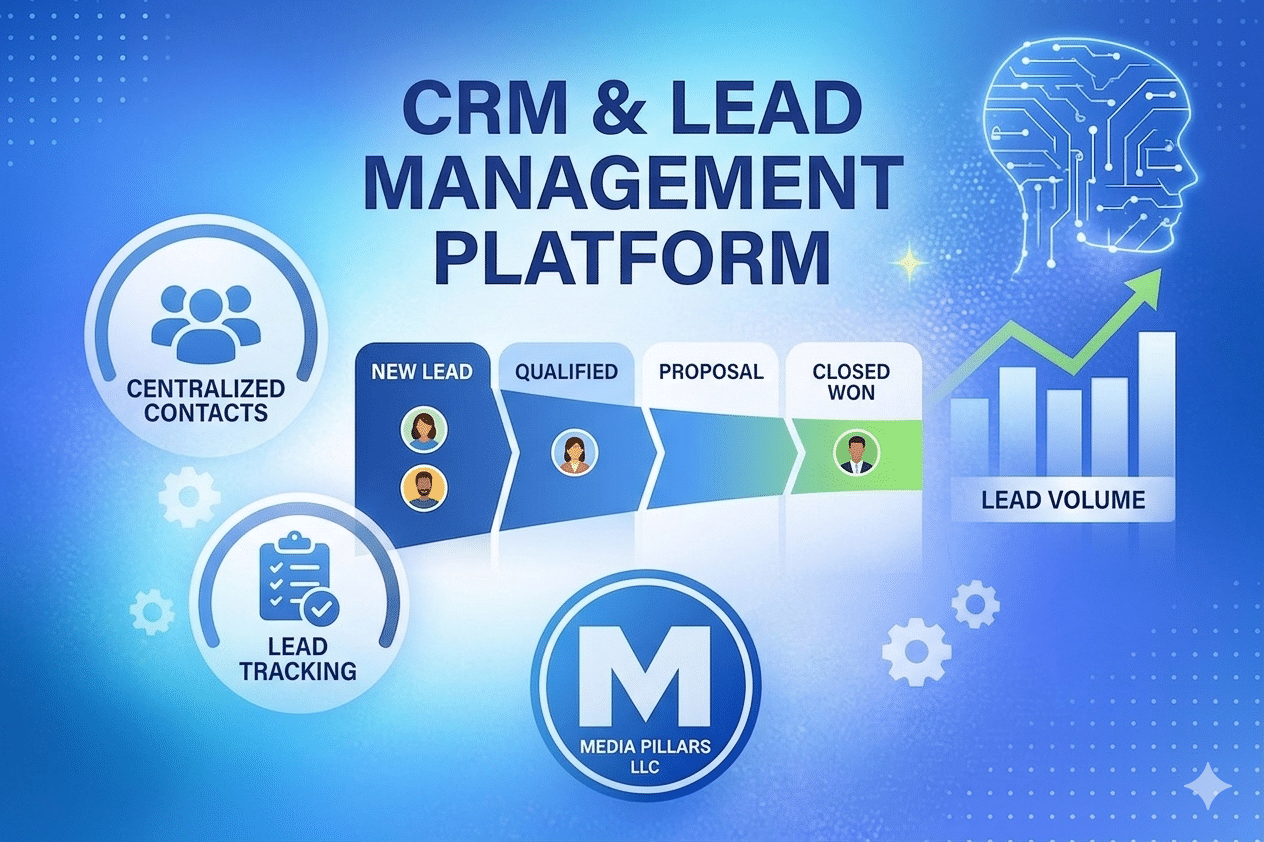
Every touch is logged in one place, so your team can see exactly where each lead stands — who’s been contacted, who responded, who needs a phone call instead of another text — instead of guessing or duplicating effort.
This Is Also What Makes Every Other Marketing Dollar Work Harder
Here’s the part that’s easy to overlook: your SEO, your ads, your reviews, your website — all of it exists to generate that initial inquiry. If the follow-up process leaks half of those leads before they ever get a real chance to become a customer, you’re not getting the actual return on that marketing spend. Fixing follow-up is frequently the single highest-ROI change a local business can make, because it doesn’t require generating a single new lead — it just makes sure the leads already being paid for don’t go to waste.
How to Measure the Impact
Track lead-to-appointment and lead-to-customer conversion rate before and after automated lead follow up goes live — this is the clearest number to watch, and it’s usually visible within 60–90 days. If you’re tracking form fills and calls as conversions in GA4 (see our guide to local SEO priorities that drive leads), add a “days to contact” and “number of touches” field to your CRM so you can see the direct relationship between follow-up consistency and closed jobs.
Frequently Asked Questions
Will automated follow-up feel impersonal to customers?
Not when it’s written well. The goal is messages that sound like they came from your team, not a corporate mass-email — friendly, specific to the service they asked about, and easy to reply to a real person from.
Do I need a new CRM to do this?
Not necessarily — the follow-up automation can run through the same system that manages your contacts, calendar, and communications, so your team isn’t juggling multiple tools to see the full picture of a lead.
What’s a reasonable number of follow-up touches before stopping?
Research suggests most businesses stop far too early — closer to 5–8 touches over several weeks is typical for higher-consideration services, spaced out and varied between text, email, and a call, rather than repeating the same message.
The Bottom Line
You’re likely already generating more good leads than your current follow-up process can properly work. Automated lead follow up closes that gap without adding to your team’s workload, and it’s often the fastest way to see a measurable jump in booked jobs from the marketing you’re already running.
Want to see how many leads might be slipping through right now? Media Pillars builds automated follow-up systems — text, email, and reminders — fully integrated with your website and CRM so no inquiry goes unanswered. Reach out for a quick review of your current follow-up process.